
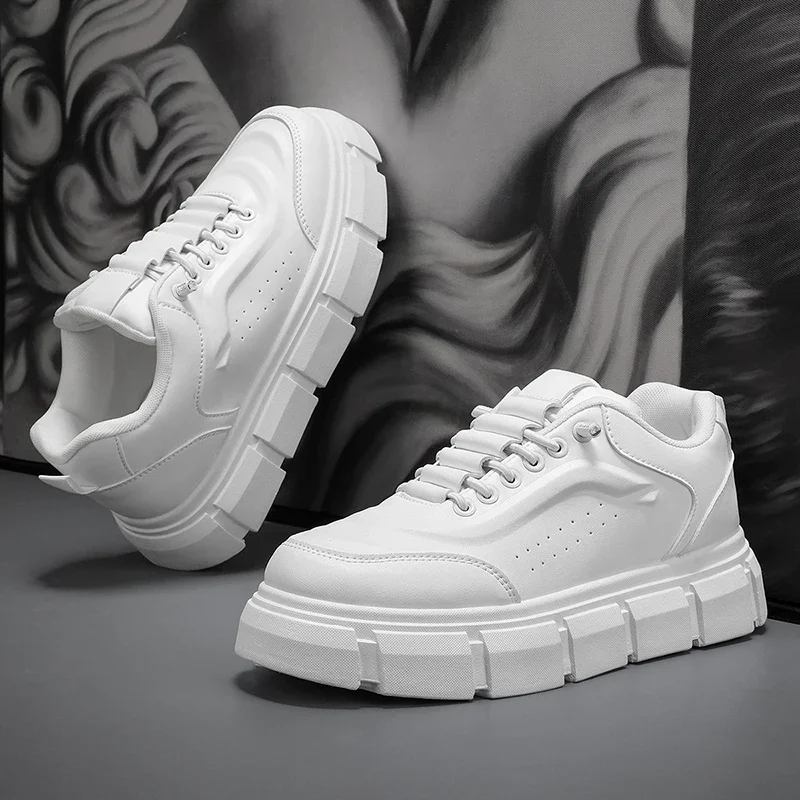
Men’s shoes have evolved significantly over time, but the core purpose remains the same: to support movement and provide comfort throughout the day. While trends come and go, real-life needs stay consistent. Men need shoes that can keep up with daily routines, adapt to different environments, and maintain their structure over time. This is where thoughtful shoe design makes a real difference.
Modern life demands versatility. A single day can involve commuting, standing, walking, and social activities, all requiring dependable footwear. Shoes designed only for appearance often fall short when it comes to comfort and performance. Men’s shoes should be built with real movement in mind—offering support where it matters most while remaining flexible enough for natural motion.
Comfort starts from the inside. Cushioning, insole structure, and foot support all work together to create a stable base. Shoes that feel comfortable for a few minutes but cause discomfort after hours are not suitable for everyday use. True comfort is tested over time, not just at first wear. This is why well-designed men’s shoes focus on long-term wear rather than instant softness alone.
Durability is equally important. Men often expect shoes to perform reliably day after day. Weak materials, thin soles, or poor construction lead to faster wear and reduced support. Shoes built for real life use stronger materials, reinforced areas, and durable outsoles to handle regular stress. When durability is prioritized, shoes maintain their shape and function even after extended use.
Style still plays a role, but it should complement function rather than replace it. Clean lines, neutral tones, and balanced design allow men’s shoes to work with different outfits. Instead of focusing on extreme trends, practical design ensures that shoes remain wearable across seasons. This approach helps reduce unnecessary replacements and supports a more intentional way of dressing.
Fit is another critical element that is often overlooked. Shoes that are too tight or too loose affect balance and comfort. A proper fit supports the foot’s natural shape and reduces pressure points. Men’s shoes designed with fit in mind help improve posture and reduce fatigue, especially for those who spend long hours on their feet.
Men’s footwear should also reflect reliability. Shoes become part of daily habits, and consistency matters. When a pair performs well, it becomes a trusted choice rather than a backup option. Brands that understand this focus on creating shoes that deliver the same experience every time they are worn.
In the end, men’s shoes designed for real life are not about making a statement. They are about providing dependable support, comfort, and practicality. By focusing on everyday use, thoughtful construction, and timeless design, men’s shoes can become a lasting part of daily life rather than a temporary trend. Choosing footwear built for real movement leads to better comfort, better wear, and a better overall experience.